Roehampton Club garden waste removal options
Posted on 14/10/2026
If you are dealing with a pile of cuttings, branch trimmings, turf, leaves, or the odd broken planter after a weekend tidy-up, the question comes up fast: what are the best Roehampton Club garden waste removal options? Truth be told, garden waste has a knack for turning a nice outdoor refresh into a bit of a logistical headache. One minute you are pruning roses, the next you are looking at a green mountain by the hedge and wondering how on earth it is all going to disappear.
This guide breaks down the practical choices available, how each option works, what tends to suit different jobs, and the mistakes that catch people out. If you are planning a one-off clear-up or regular maintenance, you will find a clear path through the noise here.
For broader services that may help with mixed loads or larger clearances, you can also look at the services overview, or compare it with the more focused garden waste removal in Roehampton service page if you already know the job is mostly green waste.
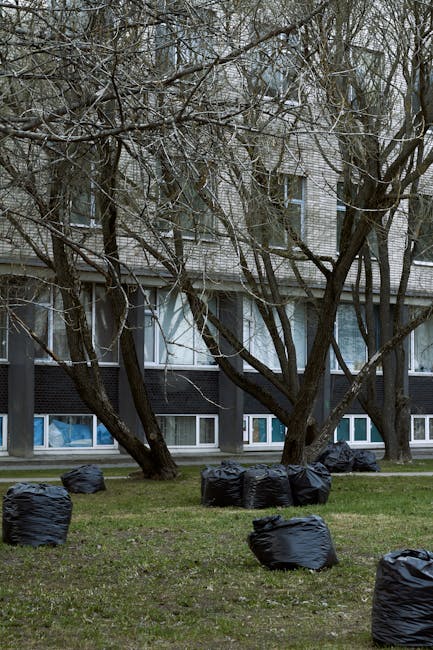
Why Roehampton Club garden waste removal options Matters
Garden waste sounds simple until you are standing next to a pile of damp hedge trimmings and thorny branches, with the smell of fresh cut grass drifting about and nowhere obvious to put it. Around Roehampton, where many homes and gardens balance neat suburban space with mature planting, waste builds quickly after seasonal jobs. A spring tidy, a hedge cut, or an end-of-summer clear-out can generate far more material than people expect.
Choosing the right removal option matters because garden waste is not all the same. Soft green waste is different from woody offcuts. Soil, roots, and old garden furniture are different again. Mix them together and you may end up with a more expensive collection, a slower job, or a trip that needs sorting twice. Nobody wants that. Not really.
It also matters for timing. Garden waste left too long becomes bulky, soggy, and awkward to move. Bags split. Leaves start to compact. Wet cuttings get heavier. The whole job can go from a tidy afternoon task to something that feels like a minor workout nobody booked.
There is also the question of presentation and practicality. If you are maintaining a private garden, shared outdoor space, rental property, or business frontage, letting waste sit around can spoil the look of the place and get in the way of normal use. A clean, efficient removal plan is not just convenient; it helps the whole space breathe again.
How Roehampton Club garden waste removal options Works
Most garden waste removal services follow a straightforward pattern, even if the exact format changes a little from one job to the next. In simple terms, you identify the waste, choose a collection method, prepare the material, and arrange removal at a time that works.
1. Sort the waste first
This is the part that saves time and money. Garden waste is usually separated into categories such as:
- Green waste like grass cuttings, leaves, plants, and hedge trimmings
- Woody waste such as branches, prunings, small logs, and shrub stems
- Mixed garden waste where soil, pots, old fencing, and general outdoor debris are all present
Sorting matters because some removal methods are designed for clean green waste only, while others can handle mixed loads. If you try to force everything into one category, you may make collection harder than it needs to be.
2. Decide how much waste there is
Volume is one of the biggest decision points. A few bags of hedge clippings are one thing. A full garden overhaul with branches, turf, and root balls is something else entirely. Some people overestimate and book more than they need. Others do the opposite and end up with a second load. Neither is ideal, though the second one tends to be more annoying on a wet Tuesday morning.
3. Choose a removal route
At a practical level, Roehampton Club garden waste removal options usually fall into a few broad methods: professional collection, skip hire, council-style disposal routes where available, or self-haul to a waste facility. Each has pros and cons, and the right answer depends on the job size, access, time pressure, and whether the waste is clean or mixed.
4. Prepare access and loading space
This step is often overlooked. If the waste is in the back garden, there may be narrow side access, steps, or soft ground to think about. A clear path saves time and reduces the chance of mess on paving or lawns. It also makes the job less stressful for everyone involved. You will notice the difference immediately when the wheelbarrow is not bumping over every loose stone.
5. Load, remove, and process
Once collected, the waste should be taken to the appropriate disposal or processing route. In the UK, clean garden waste is often redirected for composting or similar recovery methods where suitable. Mixed waste, contaminated waste, and non-organic materials require a different route. That distinction matters more than people think.
Key Benefits and Practical Advantages
The most obvious benefit is speed. If you have ever spent an entire afternoon bagging trimmings, only to realise you still need to transport them somewhere, you know the appeal of a proper removal option. A good service clears the space and the mental clutter at the same time.
There is also the neatness factor. Professional removal is useful when you want the garden ready for guests, a property viewing, or simply your own enjoyment. A tidy outdoor area changes how the whole place feels. It is a small thing, perhaps, but a very real one.
Other practical advantages include:
- Less manual lifting when the waste is heavy, wet, or awkward
- Better sorting so recyclable green waste is kept separate where possible
- Reduced vehicle hassle if you do not have a car or trailer that can handle the load
- Improved safety because sharp branches, hidden nails, broken pots, and slippery cuttings are removed promptly
- More predictable costs compared with repeated tip runs or unexpected overloading
And yes, there is a quiet benefit people often miss: peace of mind. Once the mess is gone, you stop thinking about it every time you look outside. That alone can be worth a lot.
Who This Is For and When It Makes Sense
Roehampton Club garden waste removal options make sense for a wide range of people, not just homeowners with big gardens. In fact, some of the most common users are those who have a medium-sized outdoor space and not enough time to manage disposal themselves.
Homeowners
If you are pruning trees, cutting back hedges, or doing a full seasonal tidy, a removal service is often simpler than making several disposal trips. It is especially useful if the waste is bulky or you are working alone.
Landlords and letting agents
Tenancy changeovers often reveal neglected outdoor areas. A quick clearance before new tenants move in can make the property look much better, and frankly, more cared for.
Gardening enthusiasts
Some people enjoy the gardening itself but not the aftermath. Fair enough. If you would rather spend the hour planting than shoving branches into bags, a collection option can be the sensible choice.
Families and busy professionals
If your weekends are already full, garden waste can sit there longer than planned. That is usually when it starts to attract more mess, more dampness, and more irritation.
Shared properties and small businesses
Frontage gardens, communal outdoor areas, and landscaped entrances need regular upkeep. A reliable removal routine keeps them presentable without turning maintenance into a full-time side quest.
When it makes the most sense
- After seasonal pruning or hedge cutting
- After storm damage or fallen branches
- Before a property sale or inspection
- After landscaping work
- When bags of cuttings are piling up faster than expected
Step-by-Step Guidance
If you want the smoothest outcome, it helps to approach the job in stages rather than treating it like one giant chore. Here is a practical way to handle it.
Step 1: Walk the garden and identify what needs removing
Start with a simple visual sweep. Look for cuttings, branches, roots, turf, weeds, broken garden items, and anything else that no longer belongs. Be honest here. A half-buried old plant pot can turn up later and slow the whole job down.
Step 2: Separate clean green waste from mixed waste
Keep leaves, hedge trimmings, grass, and light prunings apart from soil, stones, pots, and treated timber. If you are not sure whether something counts as garden waste, pause and check before adding it to the pile. Sorting early saves a headache later.
Step 3: Measure the volume roughly
You do not need laboratory precision. A few bin bags, a small pile, half a trailer load, or a full garden strip-out is enough detail for planning. If you can estimate how many bags or how much space the waste takes up, even better.
Step 4: Choose the most sensible removal method
This depends on access, urgency, and waste type. If the load is mostly clean green waste, a direct collection may be ideal. If it is a larger mixed job, skip hire or a broader rubbish clearance may fit better. For smaller, frequent jobs, a routine collection can be a good fit.
Step 5: Prepare the site
Clear a path to the waste pile. Move hoses, plant pots, bikes, or ornaments that might get in the way. If the ground is wet, think about where boots and wheels will go. That small bit of prep can save time and avoid muddy footprints indoors. Been there, regretted that.
Step 6: Arrange collection and confirm what is included
Before anything is lifted, make sure you know whether bags, branches, soil, or mixed debris are included. Clear communication matters. It reduces the risk of unexpected add-ons and means the job can run without awkward surprises.
Step 7: Final check after removal
Once the waste is gone, check corners, under shrubs, and along fence lines. Small scraps tend to hide there. A quick sweep or rake at the end leaves the garden looking finished rather than half-done.
Expert Tips for Better Results
A few small choices make a surprisingly large difference. These are the sorts of details that tend to separate a neat, efficient clearance from a messy one.
- Cut branches into manageable lengths before collection. Long limbs are awkward to carry and can waste space.
- Keep soil separate where possible. Soil is heavy, and it changes how a load is handled.
- Bundle thorny or spiky cuttings carefully so they do not snag bags or scratch walkways.
- Remove stones and non-organic debris from compostable waste if you want the cleanest route.
- Plan around weather. A damp afternoon can double the weight of green waste and make access slippier.
- Book at the right time. Early-season growth surges and post-storm periods tend to create extra demand.
One practical tip we often see make life easier: keep a dedicated corner of the garden for temporary waste stacking while you work. It sounds basic. It is basic. But it saves a lot of shuffling back and forth.
Also, if your load is mixed and awkward, take a minute to compare it against the broader rubbish removal options in Roehampton rather than assuming a garden-only service is always the best fit. Sometimes that little decision saves both time and cost.

Common Mistakes to Avoid
Most problems with garden waste removal are avoidable. The trouble is, they tend to happen right when you are tired and keen to be done.
Mixing too many waste types together
Green waste, soil, timber, plastic, and old garden furniture do not always belong in the same pile. Mixing them without checking can make the load more expensive or harder to process.
Underestimating volume
A pile that looks modest from across the lawn can become a very different thing once bagged and stacked. Branches, in particular, take up more space than people expect.
Forgetting access constraints
Narrow side gates, steps, low branches, and soft ground can all slow collection. If access is tight, say so early. It is better to plan around it than to discover it when the vehicle has arrived.
Leaving hidden hazards in the pile
Broken glass, rusty screws, sharp pruners, and loose stones sometimes end up tucked inside garden waste. That is not great for safety. A quick check is worth the effort.
Assuming all green waste is accepted the same way
Some waste is clean and easy to process. Some is too contaminated with soil or mixed material. The cleaner the separation, the better the outcome.
Waiting too long after cutting
Fresh cuttings are easier to move than compressed, soggy, half-rotted piles. If you can clear waste soon after the job, do it. Your future self will probably thank you.
Tools, Resources and Recommendations
You do not need a shed full of specialist gear, but a few simple tools help a lot.
- Heavy-duty garden bags for leaves, grass, and light cuttings
- Tarpaulins to keep a pile together and make dragging easier
- Pruning shears and loppers for reducing branch size
- Wheelbarrow or garden trolley for moving waste to the collection point
- Rake and broom for the final tidy-up
- Gloves to protect hands from thorns, splinters, and rough stems
If you are looking at more than a simple green-waste clear-up, it can help to read about related services too. For example, mixed outdoor debris may overlap with rubbish clearance in Roehampton, while heavy loads from landscaping or renovation may be better suited to builders waste clearance. Different jobs, different handling. Simple as that.
For a broader understanding of how waste reduction and reuse fit into the bigger picture, the site's recycling and sustainability page is also useful. And if you want to understand how the company presents itself more generally, the about us page gives a bit of background.
Law, Compliance, Standards, or Best Practice
Garden waste removal is not just about getting things out of sight. In the UK, waste should be handled responsibly, and that means using a route that is appropriate for the material type. Clean green waste, mixed rubbish, treated timber, soil, and sharp or hazardous items may all need different handling. If in doubt, separate first and ask questions before collection.
One sensible best practice is to keep recyclable green waste as uncontaminated as possible. Grass, leaves, hedge trimmings, and plant material are easier to process when they are not mixed with plastics, rubble, or household rubbish. That small bit of care supports better recovery routes and tends to make operations smoother overall.
Safety also matters. Garden waste can hide thorns, splinters, broken tools, or slippery material. Good gloves, proper lifting, and tidy stacking are not just nice-to-haves. They reduce avoidable accidents.
If you are using a professional service, it is sensible to check how they handle insurance, site safety, and responsible disposal. The company's insurance and safety information is worth reviewing before any larger clearance. For pricing and practical expectations, the pricing and quotes page can help set a realistic starting point, and the terms and conditions page gives the sort of detail that is easy to skip but important to understand.
There is one more point worth saying plainly: do not assume every outdoor item is garden waste just because it lives outside. Old paint tins, chemical containers, and treated materials can fall into different categories. If something feels questionable, treat it cautiously. That is the boring answer, but usually the right one.
Options, Methods, or Comparison Table
Here is a straightforward comparison of the most common Roehampton Club garden waste removal options. The best choice often comes down to how much waste you have, how quickly it needs to go, and whether you want to do the lifting yourself.
| Option | Best for | Pros | Possible drawbacks |
|---|---|---|---|
| Professional garden waste collection | Moderate to large green waste piles | Fast, convenient, less heavy lifting, tidy finish | Needs clear access and accurate waste description |
| Skip hire | Larger jobs, ongoing work, mixed loads | Flexible for extended projects, useful if waste will build up | Takes space, may require more sorting, can feel excessive for small jobs |
| Self-haul to a facility | Small loads and people with transport | Direct control, useful for occasional clear-outs | Time-consuming, loading effort, vehicle limitations |
| Part of a broader rubbish clearance | Mixed outdoor debris or combined household waste | Handy when garden waste is only one part of the job | May not be the most efficient choice for pure green waste |
If your waste is mostly hedge trimmings and branches, a focused garden service is often the simplest route. If the pile includes broken furniture, general junk, or old shed material, a wider clearance may be better value. The trick is matching the method to the job instead of trying to make the job fit the method. Small but important difference.
Case Study or Real-World Example
Picture a typical Roehampton back garden after a spring tidy. There are clipped laurels, a few thicker branches from a rose arch, bags of grass cuttings, and a cracked plant trough that has finally given up the ghost. Nothing dramatic. Just enough to feel cluttered.
The homeowner starts by separating the soft green waste from the heavier bits. The cuttings go into bags, the branches are cut down into shorter lengths, and the old planter is put aside as mixed waste rather than bundled into the green pile. Access is checked, a side passage is cleared, and the collection area is set near the gate so the job can move quickly.
Now compare that with the same garden left as one mixed heap. The branches snag the bags, soil falls through gaps, the planter adds weight, and someone has to stop halfway through to reshuffle everything. Same garden. Very different experience.
In practice, that first approach is usually cheaper, faster, and less stressful. It also leaves the garden looking finished rather than half-cleared. That last part matters more than people expect. Once the waste is gone, the whole space seems to open up, almost like it has had a proper breath of air.
Practical Checklist
Before you book or arrange collection, run through this checklist.
- Have you separated green waste from mixed rubbish?
- Have you checked for soil, stones, and non-organic items?
- Do you know roughly how much waste there is?
- Is there clear access to the waste pile?
- Have you cut larger branches into manageable pieces?
- Are there any sharp, heavy, or awkward items hidden in the load?
- Do you know whether you need garden-only removal or a broader clearance?
- Have you reviewed pricing, safety, and terms in advance?
- Is the collection area easy to reach without damaging lawns or paving?
- Have you planned a final sweep after removal?
Expert summary: the best Roehampton Club garden waste removal options are the ones that match your waste type, access, and timeline. Clean sorting, sensible preparation, and the right removal method usually save the most time and hassle. Simple, really. But it works.
Conclusion
Garden waste removal should make your life easier, not turn into another project. Once you understand the main Roehampton Club garden waste removal options, it becomes much simpler to choose the right approach for the size of the job, the type of material, and the level of effort you want to put in.
For small tidy-ups, a straightforward collection may be all you need. For bigger clearances or mixed loads, a wider waste solution may be more practical. Either way, the win is the same: a cleaner garden, less mess, and a space that feels usable again. And honestly, there is a quiet satisfaction in looking out the window and seeing the job fully done.
Get a free quote today and see how much you can save.
If you are ready to take the next step, start by reviewing the available service details and choosing the option that fits your garden, your schedule, and your budget. A little planning now can save a surprising amount of faff later.



 Tipper Van - Rubbish Removal and Rubbish Collection Prices in Roehampton, SW15
 Luton Van - Rubbish Removal and Rubbish Collection Prices in Roehampton, SW15