Insider tips for Roehampton University rubbish removal
Posted on 13/08/2026
If you are trying to sort Insider tips for Roehampton University rubbish removal, you are probably juggling the usual mix of student life, tight deadlines, shared kitchens, awkward furniture, and that one corner of a room where junk seems to multiply overnight. Truth be told, university clear-outs are rarely glamorous. They are noisy, rushed, and usually happening at the worst possible time - end of term, moving day, or right before a landlord wants the keys back.
The good news? A bit of planning makes the whole job easier, cheaper, and far less stressful. In this guide, we will walk through how rubbish removal works around a university setting, what to watch out for, the smartest ways to prepare, and how to avoid the classic mistakes that cause extra cost or delays. We will also point you toward useful local pages like the services overview, pricing and quotes, and recycling and sustainability where they genuinely help.
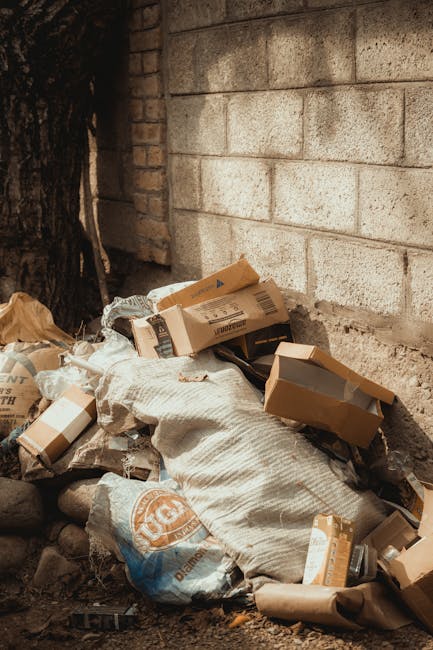
Why Insider tips for Roehampton University rubbish removal Matters
University rubbish removal is not just about getting stuff off the floor. It affects move-out timing, room inspections, safety, shared living standards, and the chances of getting deposits sorted without unnecessary friction. Around a campus environment, waste builds up fast because spaces are used differently from normal homes. You might have a desk chair, broken storage, packaging from deliveries, old books, food waste, and the random bits that no one claims ownership of. Sound familiar?
Roehampton has its own rhythm too. Student housing, halls, flats, shared homes, and small offices all produce different kinds of waste. That means one-size-fits-all advice is rarely enough. A student moving out of a room needs a different plan from a resident clearing a shared flat or an administrator handling office clutter. Good rubbish removal advice helps you choose the right method, avoid overpaying, and keep things tidy for everybody involved.
There is also a sustainability side. Many items from university settings can be reused, recycled, or separated correctly if you think ahead. That saves time later and can reduce the amount of waste sent out in one go. If you want a broader look at the environmental angle, the page on London's no-waste thinking is worth a look, alongside recycling and sustainability.
Expert summary: In student and university environments, the best rubbish removal plans are simple, pre-sorted, and timed around move-outs, access windows, and collection rules. Small preparation now usually prevents a bigger headache later.
How Insider tips for Roehampton University rubbish removal Works
At its simplest, rubbish removal is a collection and disposal service that takes away unwanted items in a single visit or a scheduled series of visits. In a university context, that often means a crew arrives, reviews the load, confirms what can be taken, and then removes the waste for sorting, recycling, or disposal. It sounds straightforward, and mostly it is, but the details matter.
Here is the usual flow:
- Identify what needs to go. Separate general waste, furniture, electronics, paper, bedding, and anything hazardous before booking.
- Estimate volume. Think in terms of bags, boxes, or bulky items. A small pile can become a van-load surprisingly quickly.
- Choose the right service. A student room tidy-up may suit rubbish clearance, while a move from a shared flat could need house clearance or furniture disposal.
- Check access. Narrow stairwells, basement storage, parking restrictions, and lift access all affect timing.
- Book a suitable slot. End-of-term periods are busy, so leaving it to the last day is never ideal.
- Prepare the items. Bag, stack, label, and separate so the team can load efficiently.
- Complete the removal. Items are loaded, and the job is finished faster when the site is ready.
That process is much smoother when you know which service fits your situation. For example, a pile of old shelves and a broken desk may be better handled as furniture disposal, while leftover renovation debris is closer to builders waste clearance. A cluttered storage room in a shared property might even call for garage clearance or loft clearance, depending on what has been hiding there.
And yes, sometimes the most efficient answer is just getting one practical team in and letting them deal with the heavy lifting. Your back will thank you.
Key Benefits and Practical Advantages
There are a few clear reasons students, landlords, and campus-adjacent households lean toward professional rubbish removal instead of trying to do everything themselves.
- Less stress: You do not need to organise lifts, vans, parking, or multiple trips.
- Faster turnaround: A proper clearance team can handle what would take you a whole day in a fraction of the time.
- Safer lifting: Bulky furniture, damp bags, and awkward items can be a pain to move, especially down stairs.
- Better sorting: Recyclable and reusable items can often be separated properly instead of all going in one pile.
- Cleaner handover: That matters when you are leaving a room, returning a property, or just trying to reset a shared space.
- More predictable cost: With a clear quote, you can budget better than with repeated trips or last-minute taxi vans.
A small but important advantage is discretion. University areas are busy, and not every clear-out needs a drama-filled street scene with bags stacked outside for half the afternoon. A quick, tidy removal can keep things calm, which is always nice when neighbours, housemates, or staff are involved.
If you are weighing up what kind of clearance you really need, the broader waste removal and rubbish collection pages can help you think through the options.
Who This Is For and When It Makes Sense
Rubbish removal around Roehampton University is useful for more people than you might expect. It is not only for students packing up at the end of term. In practice, it helps a whole range of people dealing with fast-moving, shared, or space-limited situations.
- Students clearing rooms before moving out
- Housemates who need a shared flat reset after a busy term
- Landlords and letting agents preparing rooms for new tenants
- University staff handling old office furniture or archive clutter
- Parents helping with move-out day and trying to keep it all under control
- Local residents dealing with mixed household waste, old furniture, or garden debris
It makes sense when the job is too big for normal bins, too awkward for a regular car, or too time-sensitive to leave hanging around. That is usually the tipping point. You know the one. A pile is gathering in the hallway, the lift is booked, and everyone keeps saying, "We'll sort it tomorrow." Right.
It also makes sense when items need special handling. For example, a student upgrading a desk and chair may be fine with standard furniture disposal, while a shared house that has accumulated broken storage, old appliances, and packaging from several people might need a more complete house clearance. Office-type spaces, meanwhile, may be better suited to office clearance.
Step-by-Step Guidance
If you want the process to go smoothly, a little structure helps. Here is a practical approach that works well for student rooms, shared flats, and small campus-related spaces.
- Start two or three days early. Do not wait until the final hour before key handover. Sorting always takes longer than people think.
- Make three piles. Keep, donate/reuse, and remove. If something has not been used for a year and you are not sentimental about it, be honest.
- Pull out special items. Batteries, paint, broken electricals, and sharp objects need careful handling. Do not bury them in a random black bag.
- Measure bulky items. A quick look at a wardrobe or sofa can avoid access problems on the day.
- Take photos if needed. This is useful for quoting and for housemate agreement. Fewer arguments. Amazing concept.
- Ask about access early. Can a van park nearby? Are there stairs? Is there a time restriction? These small details change the whole plan.
- Choose the right service category. Match the job to the waste type, not just the size of the pile.
- Keep the route clear. Hallways, stairs, and doors should be as free as possible so loading does not turn into a slow shuffle.
- Check the quote carefully. Make sure you understand what is included and what counts as extra.
- Confirm the final sweep. A final look behind doors and under beds catches stray items before they become "mystery leftovers."
If you are not sure where to begin, the junk removal page is a useful general starting point for mixed clutter, while garden waste removal can be the better fit for outside areas after a big tidy-up. Small distinction, big difference.
Expert Tips for Better Results
This is where the insider part really helps. Small decisions can save time, reduce cost, and make the whole experience less chaotic.
1. Sort by material, not just by room
Rooms are convenient for humans, but waste handlers think in materials: wood, metal, cardboard, textiles, green waste, general rubbish, and electricals. If you can separate those before collection, you make the load easier to process and sometimes cheaper to clear.
2. Put the heaviest items closest to the exit
That sounds obvious, but you would be surprised how often bulky furniture is left in the back of a room behind six lighter bags. Place the difficult stuff where it can be lifted first. It saves the team from doing a strange furniture puzzle in the hallway.
3. Be realistic about volume
People often underestimate how much they have. One medium wardrobe, a mattress, four bags, two boxes, and a desk can already be a proper load. When in doubt, take a look around the room and imagine it all in one pile. Slightly frightening, usually accurate.
4. Clear the route before the team arrives
Move shoes, bins, laundry baskets, and anything fragile. The less obstacle course involved, the better.
5. Keep reusable items separate
If something still has life in it, do not mix it with spoiled or broken waste unless you have to. That includes shelves, small appliances, and decent office chairs. Reuse is often the simplest win.
6. Use the slower hours for bigger jobs
Where possible, avoid booking around the busiest move-out windows. A quieter slot can mean better access, less waiting, and fewer awkward corridor collisions with someone carrying a mattress.
7. Ask about insurance and safety
Any team handling lifting and disposal should work with sensible safety standards. If you want to check the general approach first, the insurance and safety page is the right place to start.

Common Mistakes to Avoid
Some errors come up again and again. They are easy to make, but also easy to avoid once you know them.
- Leaving everything until move-out day. This is the classic. It creates stress, rushes decisions, and can make access harder.
- Mixing hazardous and general waste. Batteries, chemicals, and broken electronics should not be hidden in ordinary bags.
- Not checking access. A van cannot magically fit where it cannot fit. I know, disappointing.
- Forgetting shared responsibility. In a shared flat, agree who owns what before removal starts.
- Assuming every bulky item is the same. Sofas, beds, office chairs, and white goods can all need slightly different handling.
- Ignoring recycling opportunities. A little separation can go a long way.
- Using the wrong service. Choosing skip hire when you need live loading, or the other way round, can waste both time and money.
A lot of these problems vanish if you pause for ten minutes and do the job properly on paper first. Not glamorous, but effective.
Tools, Resources and Recommendations
You do not need much to prepare well, but the right simple tools help a lot:
- Strong bin bags and boxes for grouping smaller items
- Permanent marker for labelling keep/remove/recycle
- Gloves for dust, grime, and awkward edges
- Measuring tape for bulky furniture and access checks
- Trolley or sack barrow if you are moving items a short distance yourself
- Phone camera for quick photos of loads or item condition
In terms of service pages, a few are especially useful depending on the mess in front of you. The main rubbish clearance page suits general household clutter. skip hire is often better for ongoing work or heavier renovation waste, while loft clearance is handy for the dusty, forgotten spaces that collect years of "we'll sort that later."
For readers who want a broader understanding of the company approach before booking, it can also help to browse about us and, if needed, the practical details on payment and security and terms and conditions. That sort of prep sounds dull, but it prevents bad surprises. Worth it.
Law, Compliance, Standards, or Best Practice
When rubbish removal involves a university, shared house, or multiple occupants, a few basic UK best practices matter. You do not need to become a legal expert, but you do need to be sensible.
Duty of care: In everyday terms, waste should be passed to a legitimate carrier and handled responsibly. If you are booking removal, it is wise to choose a provider that can clearly explain where waste goes and how it is separated. That is especially important for mixed loads, electrical items, and anything that may need special handling.
Hazard awareness: Anything sharp, corrosive, or potentially dangerous should be flagged in advance. Do not leave hidden surprises in sealed bags. Nobody enjoys a mystery syringe or leaking container. Not fun for anyone.
Access and safety: Stairwells, fire exits, and shared walkways should remain clear. In university and HMO-style settings, this is both practical and respectful. It also reduces the chance of damage.
Recycling expectations: Good practice means separating reusable or recyclable materials where possible. That does not mean every item can be rescued, obviously, but a clear sorting habit usually improves outcomes.
Privacy and confidentiality: In student halls, offices, and accommodation blocks, documents or personal belongings should be checked before disposal. It is amazing how often old paperwork turns up in a random drawer. Slightly alarming, actually.
For many readers, the simplest rule is this: if in doubt, disclose it early. Clear communication is usually the safest and fastest route.
Options, Methods, or Comparison Table
Choosing the right removal method is often the part people overcomplicate. Here is a simple comparison to make the decision easier.
| Method | Best for | Strengths | Watch-outs |
|---|---|---|---|
| Rubbish clearance | Mixed household waste, general clutter | Simple, flexible, quick for small-to-medium jobs | Not ideal for heavy building debris |
| Furniture disposal | Desks, chairs, beds, wardrobes | Good for bulky items and awkward lifting | Access and size need to be checked |
| House clearance | Shared flats, full rooms, larger clear-outs | Broader coverage for multiple item types | Can take longer if sorting is poor |
| Skip hire | Ongoing clear-outs or renovation waste | Useful for repeat loading over time | Requires space and often more planning |
| Junk removal | General clutter and one-off tidy-ups | Easy starting point for mixed items | Less specific than specialist disposal |
There is no single best option for every situation. If you have a fast end-of-term exit, live loading and direct collection may be the most sensible. If a room has become a long-term storage unit for three people's leftovers, a more complete clearance will probably make more sense. The best method is the one that fits the mess you actually have, not the one you wish you had.
Case Study or Real-World Example
Picture a typical end-of-term clear-out in a shared Roehampton flat. Two students are leaving, one is staying, and there is a mix of stuff in the hall: a wobbly desk, a bag of old clothes, a broken chair, three food boxes that should have been recycled last week, and a printer that nobody can remember buying.
At first, everyone thinks it will take "about half an hour." It never does. Someone is hunting for a charger. Someone else insists the chair is still usable. The recycling pile keeps growing, then shrinking, then growing again. By midday, the hallway looks like a tiny warehouse.
The smoother version is simple. The group sorts items into keep, recycle, and remove the evening before. They measure the desk. They check building access. They separate the printer and anything electrical from general rubbish. When the collection team arrives, the route is clear, the load is already grouped, and the job finishes quickly. Less stress, fewer arguments, and no last-minute scramble in the rain.
That kind of preparation is the difference between a decent day and a horrible one. Small effort, big payoff.
Practical Checklist
Use this before you book or on the morning of the collection:
- Have you sorted items into keep, donate/reuse, recycle, and remove?
- Have you identified any hazardous or delicate items?
- Have you measured bulky furniture or checked the access route?
- Have you confirmed who is responsible in a shared space?
- Have you chosen the most suitable clearance type?
- Have you cleared hallways, doorways, and stair access?
- Have you checked the quote and any likely extras?
- Have you set aside documents, chargers, keys, or valuables?
- Have you separated reusable items from general waste where possible?
- Have you made a final sweep of cupboards, under beds, and storage corners?
If you can tick most of those boxes, you are in good shape. If not, take another ten minutes. Honestly, it is usually worth it.
Conclusion
The best Insider tips for Roehampton University rubbish removal are not complicated. Sort early, choose the right service, think about access, and keep sustainability in mind. Whether you are dealing with a single student room or a larger shared clear-out, the same principle applies: preparation saves time, money, and frustration.
It also helps to work with a team that understands the practical realities of university life - tight move-out windows, mixed waste, bulky furniture, and those last-minute "oh no, I forgot about that" moments. For a more detailed look at the wider service range, you can browse services overview and then compare the specific options that match your situation.
Get a free quote today and see how much you can save.
When the room is finally clear and the last bag is gone, the space always feels different. Lighter. Calmer. A fresh start, really. And that has a value all on its own.



 Tipper Van - Rubbish Removal and Rubbish Collection Prices in Roehampton, SW15
 Luton Van - Rubbish Removal and Rubbish Collection Prices in Roehampton, SW15